
Stress

This page explains what stress is, how it affects you, and practical strategies to manage it before it becomes long-term or leads to burnout. Understanding your stress triggers and coping strategies can help protect your mental and physical wellbeing.

Person holding back of neck with eyes closed

What is stress?

Mother juggling cooking and parenting

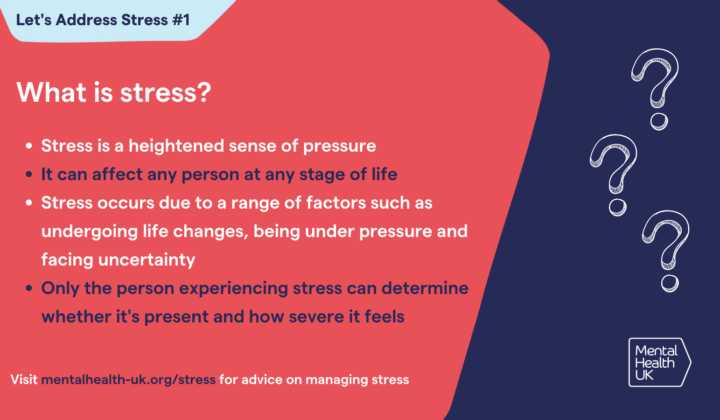
Stress is your body’s natural reaction to pressure, challenges, or life changes. In small doses, it can help you stay alert, focused, and even boost immunity temporarily.

However, prolonged stress can affect your mental and physical health, increasing the risk of burnout, anxiety, depression, sleep problems, headaches, high blood pressure, and a weakened immune system.

How we respond to stress depends on personality, genetics, life experiences, and social or work circumstances. Recognising triggers and practising stress management is key to maintaining wellbeing.
What causes stress?

Stress happens when your body and mind react to challenges, changes, or pressures in life. It can be triggered by both negative events – like losing a job, illness, or the death of a loved one – and positive changes, like starting a new job, moving house, or having a baby.
Common causes of stress include:

  • Life changes: marriage, divorce, retirement, moving home
  • Health issues: illness, injury, pregnancy etc.
  • Work or study pressures: exams, deadlines, heavy workloads, or conflicts at work or school
  • Financial worries: managing debt, income instability, or housing uncertainty
  • Relationships and social factors: caring responsibilities, difficult relationships, isolation, or discrimination
  • Daily challenges: noisy environments, commuting, or juggling responsibilities.

Stress affects everyone differently. How we respond depends on factors like personality, past experiences, coping strategies, and available support. Even positive events, such as weddings, holidays, or promotions, can be stressful because they bring change, uncertainty, and new demands. Understanding your triggers is key to managing stress and protecting your mental and physical wellbeing.
Can mental illness cause stress?

Living with a mental health condition can make daily life more challenging, creating stress. Symptoms such as low mood, anxiety, exhaustion, or intrusive thoughts can make everyday tasks feel overwhelming. Managing treatment, attending appointments, coping with medication side effects, and navigating therapy can add further pressure.

Mental health difficulties may also affect work, finances, and relationships, making social interactions harder and increasing isolation. Reduced coping capacity can create a cycle where stress worsens symptoms, and symptoms, in turn, increase stress. Some people may turn to alcohol or drugs for relief, which can temporarily ease distress but often increases stress over time.

Can stress cause mental health issues?

Prolonged stress can physically affect the brain, altering connectivity and cognitive function. Chronic stress can disrupt the balance between the amygdala (which triggers the “fight-or-flight” response), the hippocampus (which processes memories and emotions), and the prefrontal cortex (which helps regulate thoughts and emotions).

These changes can make it harder to manage fear, anxiety, and stress, contributing to conditions such as post-traumatic stress disorder (PTSD), depression, and other mental health difficulties. Evidence from UK-based studies, including the UK Biobank, shows links between high stress levels in childhood or adulthood and reduced cognitive ability, as well as increased risk of diagnosed mental health problems.

Is stress a mental illness or condition?

Stress isn’t classified as a mental illness or psychiatric condition. Instead, it’s a natural reaction to life’s challenges. However, stress is closely linked to mental health because it can trigger or contribute to problems like anxiety, depression, or post-traumatic stress disorder (PTSD). Stress can also show up as a symptom of an existing mental health issue, so it can be both a cause and a result.

If stress goes on for a long time or isn’t managed properly, it can affect your mood, how you think, and the way you behave. This might increase your chances of developing difficulties with your mental health.

Recognising stress as a normal part of life, rather than a disorder, is an important step in dealing with it. If you’re concerned about how stress is affecting you or someone you know, it’s a good idea to speak with your GP for advice and support.

What does stress do to the body and mind?

Stress triggers your body’s natural “fight-or-flight” response, preparing you to deal with challenges or perceived threats. When stress is short-term, this response can help you stay alert, focused, and ready to act. Stress hormones like adrenaline and cortisol speed up your heartbeat, quicken your breathing, tense your muscles, and redirect blood to key organs.

High levels of the stress hormone cortisol have been linked to changes in memory and cognition, as well as impacts on the immune, cardiovascular and endocrine systems, and on digestion. Ongoing stress can also disrupt gut health, which plays an important role in how the immune system functions and responds to illness. Understanding the difference between short-term, manageable stress and chronic stress is key to protecting both your mental and physical wellbeing.
Effects of stress on the body

Heart beat illustration

Heart and blood vessels

Long-term stress increases heart rate and blood pressure, raising the risk of heart disease or stroke

Pair of lungs illustration

Respiratory system

Stress can make breathing faster and harder, especially for people with conditions like asthma

Stomach issues illustration

Digestive system

Stress may cause heartburn, stomach pain, nausea, diarrhoea, or constipation, and can affect blood sugar levels

Muscle tension illustration

Muscles

Constant tension can lead to headaches, back pain, and body aches

Hormone levels illustration

Reproductive system

Stress can affect hormones, reducing sexual desire, disrupting menstrual cycles, or impacting fertility

Immune system illustration

Immune system

Stress can weaken immune system, making it harder to fight infections

Effects of stress on the mind

Emotions

Mood and emotions

Long-term stress can contribute to anxiety, depression, irritability, and low self-esteem

Behavioural

Cognition

Stress can affect concentration, memory, and decision-making

Mind and behaviour illustration

Behaviour

Stress may lead to overeating, undereating, social withdrawal, or substance misuse

Even everyday pressures like work deadlines, family responsibilities, or traffic can trigger a stress response. While this was designed to protect you in emergencies, repeated activation over time can harm both body and mind.

Recognising how stress affects you is the first step to managing stress and protecting your wellbeing.

What are the common signs and symptoms of stress?

Emotions

Emotional signs - how stress makes you feel

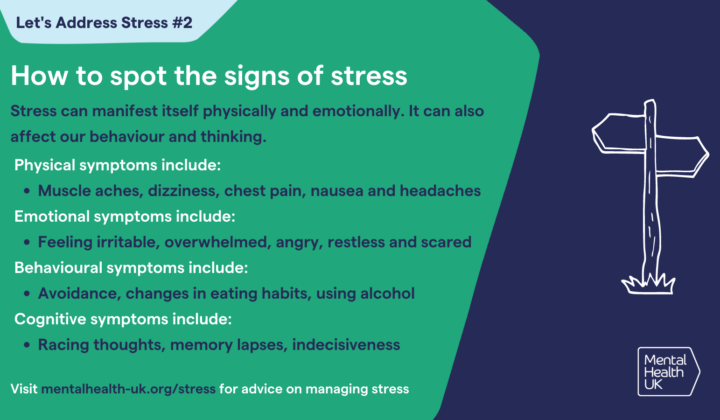
  • Irritable, angry, or easily frustrated
  • Overwhelmed or unable to cope
  • Anxious, worried, or afraid
  • Sad, tearful, or low in mood
  • On edge, restless, or unable to switch off
  • Lacking motivation or enjoyment in life
  • Lonely, neglected, or disconnected from others
Physical

Physical symptoms - how stress affects your body

  • Headaches, muscle aches, or jaw tension
  • Chest pain, heart palpitations, or high blood pressure
  • Nausea, indigestion, constipation, or diarrhoea
  • Dizziness, fainting, or blurred vision
  • Trouble sleeping or constant fatigue
  • Sweating or shaking
  • Skin reactions and conditions such as rashes or hives
  • Changes to weight or appetite
  • Changes to menstrual cycle or sexual problems
  • Weakened immune system or frequent illness
Mind and behaviour illustration

Behavioural signs - how you might behave when stressed

  • Withdraw from friends, family, or colleagues
  • Snap at others or struggle to make decisions
  • Overeat or undereat
  • Smoke, drink alcohol, or use drugs more than usual
  • Bite nails, grind teeth, or pick at your skin
  • Spend, shop, or scroll online compulsively
  • Lose interest in activities you once enjoyed
  • Struggle to concentrate or remember things

How can I tell if I’m stressed or tired?

Lady on the phone looking at her watch

Stress and tiredness share some signs, like fatigue, difficulty concentrating, and irritability, but stress can often cause distinct symptoms such as muscle tension, headaches, racing thoughts, and heightened emotional reactions.

Stress can affect sleep quality, making it feel like constant exhaustion. If you feel worn out but can relax and recharge with rest, it’s probably tiredness. If your mind keeps racing or your body feels tense even when you rest, stress is likely playing a part.

Find out more about sleep

Can you tell if someone else is stressed?

Two friends having coffee and hand on shoulder to support

Stress affects people in various and different ways, and it’s not always easy to tell when someone is feeling stressed. Some people might show clear signs, like being more irritable, impatient, or having sudden mood changes. Others may keep their feelings inside and feel anxious, sad, or become withdrawn.

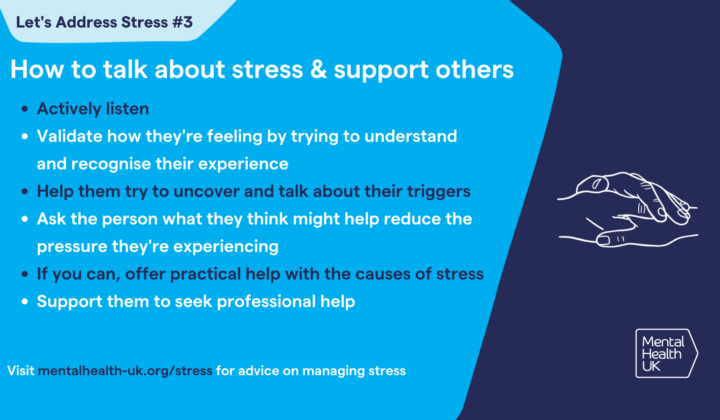
As stress affects people in different ways, it’s important to look out for different clues instead of just one. If you feel comfortable, you could gently ask how they’re doing. For example, you might say, “I’ve noticed you aren’t quite yourself recently, is everything okay?” Checking in on a friend, family member, or colleague in a supportive way might give them the chance to talk or seek further help.

Download our conversation guide

What are the different types of stress?

Everyone experiences stress differently, but psychologists generally group it into three main types: acute stress, episodic acute stress, and chronic stress. Understanding the difference can help you recognise when you might need extra support or professional help to protect your wellbeing.

Acute Stress

Acute stress is a short-term reaction to something new, unexpected, or challenging. It’s your body’s natural “fight-or-flight” response – that rush of adrenaline you might feel when you narrowly avoid an accident, give a big presentation, or argue with someone.
Acute stress is the most common form of stress, and everyone experiences it from time to time. Once the stressful event passes, your body usually recovers quickly. With the right coping skills, such as breathing techniques, mindfulness, or relaxation exercises, most people can manage acute stress effectively.

Acute stress doesn’t normally cause long-term harm, but a severe incident – such as a traumatic event – can sometimes lead to acute stress disorder (ASD).

Common signs of acute stress include:

  • Rapid heartbeat or breathing
  • Sweating or feeling tense
  • Irritability or restlessness
  • Difficulty concentrating
  • Feeling detached or “on edge”

Episodic acute stress

Episodic acute stress happens when short-term stress becomes a pattern. You might feel like you’re constantly facing deadlines, dealing with pressure, or rushing from one crisis to another.

This type of stress is common in people with demanding jobs – like healthcare workers, emergency responders, or those juggling multiple commitments. It can also affect people who naturally worry a lot or tend to overcommit.

Because these stress reactions happen often, it’s easy to see them as “normal” – but your body still experiences the physical strain. Repeated episodic stress can cause anxiety, fatigue, memory and focus problems, and increase the risk of health issues like hypertension and chronic pain.

Common signs of episodic acute stress include:

  • Frequent headaches or migraines
  • Heartburn or digestive issues
  • Muscle or jaw tension
  • High blood pressure
  • Difficulty sleeping
  • Irritability or anger outbursts

Chronic stress

Chronic stress is long-term, when feelings of pressure, anxiety, or threat never seem to go away. It can build up over months or years due to ongoing challenges such as money worries, caring responsibilities, unsafe living conditions, relationship problems, or health issues. Many people stop noticing how much stress they’re under.

Chronic stress keeps your body’s stress hormones (like cortisol and adrenaline) active for long periods, which can increase the risk of heart disease, diabetes, and stroke. It can also change how the brain functions, affecting concentration, memory, and emotional regulation.

Common signs of chronic stress include:

  • Ongoing fatigue or insomnia
  • Frequent illness or weakened immune system
  • Headaches, nausea, or stomach issues
  • Significant weight gain or loss
  • Low mood or hopelessness
  • Loss of motivation or low self-esteem
  • Reduced sex drive or fertility problems

NOTE: Post-traumatic stress disorder (PTSD) isn’t listed here because it’s a separate mental health condition which develops after experiencing or witnessing trauma, rather than being a type of day-to-day stress.

How is stress diagnosed?

There isn’t a single medical test that can confirm stress. Instead, a GP or healthcare professional will usually begin by talking with you about your symptoms, how long you’ve been experiencing them, and how stress is affecting your daily life, physical health, and emotional wellbeing.

They may also ask about your lifestyle and recent life events to understand what factors might be contributing to your stress. Your GP might also check for any underlying medical conditions that could be contributing to your symptoms – this might include reviewing any medications you take and conducting a routine blood test.

If stress is thought to be contributing to ongoing mental health challenges, such as anxiety, depression or burnout, your GP may refer you to a mental health professional for further assessment.

Psychologists and therapists use recognised tools and questionnaires to better understand how stress is affecting your thoughts, behaviour, and overall wellbeing. These assessments can help guide personalised support, including talking therapies, stress management programmes or other NHS and local services.
Talk to your GP about stress

When should I talk to my GP about stress?

You can speak to your GP at any point if stress is becoming a concern. It’s especially important to seek help if stress feels persistent, overwhelming, or is starting to affect your mental or physical health.

You may want to book an appointment if:

  • You’re struggling to cope or feel constantly tense
  • Self-help strategies and lifestyle changes haven’t worked
  • You notice signs of anxiety, depression, or burnout
  • You’re relying on alcohol, drugs, or medication to manage your emotions

Getting early support can stop stress from becoming long-term and protect both your mental and physical health. Your doctor can offer treatment options, refer you to talking therapies, or connect you with local mental health and wellbeing services.

What should I expect when I go to the GP with stress?

During your appointment, your GP may:

  • Discuss your lifestyle and circumstances: including work, relationships, or recent life events
  • Explore physical and emotional symptoms: such as the symptoms having the biggest impact on your quality of life
  • Carry out basic health checks or tests: like blood pressure to rule out underlying conditions
  • Review your medical and family history: to understand whether other factors might be influencing your mental health

How can stress be treated and managed?

There isn’t a single way to treat stress, because the cause, effects, and solutions are different for everyone. It’s important not to ignore stress, in case it builds up and becomes more of an issue in the long run.

In treating or managing your stress, you will need to explore what’s causing your stress and how it’s impacting your life — physically, mentally, or emotionally. Effective treatment usually combines self-help strategies, talking therapies, and sometimes medical or community support.

Talking therapies and professional support for stress

If stress is disrupting your everyday life, work, or relationships, your GP may recommend a talking therapy. These treatments help you explore what’s causing your stress and develop practical ways to manage it.

Common evidence-based options include:

Young female attending couselling session
  • Cognitive behavioural therapy (CBT): Helps you identify negative thought patterns and learn healthier ways to respond to challenges.
  • Brief or interpersonal counselling: Gives you space to talk about what’s worrying you and to build effective coping strategies.
  • Mindfulness-based therapies: Focus on staying present and calm, reducing the emotional impact of stressful thoughts

You can self-refer to NHS Talking Therapies in England. Local support services can also be searched for on the Hub of Hope website.

Private counselling and talking therapies can be found via the professional bodies’ website, such as the British Association for Counselling and Psychotherapy and the UK Council for Psychotherapy.

A group of people running in the park

Community and social prescribing

Some areas offer social prescribing, where your GP or link worker connects you to local groups and activities that improve wellbeing.

This could include:

  • Volunteering or arts programmes
  • Exercise or walking groups
  • Support for loneliness, debt, housing, or financial worries

These activities can help reduce isolation, give a sense of purpose, and tackle practical issues contributing to stress.

Man looking out of the window taking some medication with a glass of water

Medication

There’s no specific medication for stress, but your doctor might prescribe treatment to help manage related symptoms, such as:

  • Sleep aids or mild tranquillisers: if you’re repeatedly struggling to rest
  • Antidepressants or anti-anxiety medication: if stress has led to persistent low mood or anxiety
  • Medication for physical symptoms: such as high blood pressure or digestive problems linked to stress
  • Beta-blockers: can be prescribed to help manage the physical symptoms of stress, such as racing heart

Medication should always be discussed carefully with your GP, weighing up both benefits and side effects.

Lady sitting on her bed writing a journal

Self-care and lifestyle approaches to stress

Many people manage stress effectively through small but consistent lifestyle changes. These can help your body and mind recover from tension and pressure.

Practical tips for reducing and managing stress:


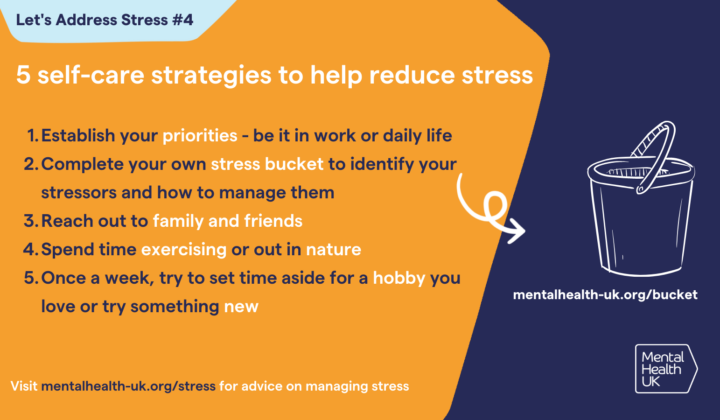
  • Be active: Exercise releases endorphins that naturally lift your mood and reduce tension. Even short walks or gentle stretching can help.
  • Plan and prioritise: Break large tasks into smaller steps, make realistic goals, and give yourself credit for what you achieve.
  • Connect with others: Talking to a friend, family member, colleague, or helpline can help you feel supported and less alone.
  • Practice relaxation: Techniques like yoga, deep breathing, meditation, or mindfulness can help calm your mind and ease physical stress.
  • Keep a stress diary: Tracking what triggers your stress can help you identify patterns and regain control, whilst also being useful when talking to the GP or therapist.
  • Eat and sleep well: A balanced diet and good-quality sleep can make a big difference to your resilience.
  • Limit caffeine, alcohol, and nicotine: Alcohol and smoking can increase anxiety and interfere with sleep.
  • Do something you enjoy every day: Activities that bring you pleasure, such as reading, music, creativity, or time outdoors, are essential to restoring balance and positivity.
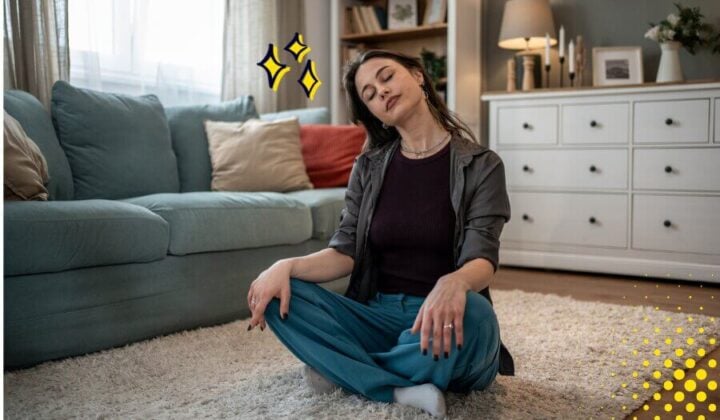
Lady looking relaxed at home sitting cross legged on the floor

Complementary and alternative therapies

Some people find additional therapies helpful alongside medical or psychological treatment, such as:

  • Acupuncture or massage therapy to release tension.
  • Aromatherapy or relaxation techniques to promote calm.
  • Tai Chi, yoga, or mindfulness meditation to improve body awareness and reduce stress hormones.

Unlike conventional medicine, most complementary and alternative therapists are not legally regulated – only chiropractors must be registered with the General Chiropractic Council. This means people can offer these treatments without being legally regulated. Regardless of their training or experience, they are not required by law to follow professional codes of practice.

If you decide to try this approach, make sure the practitioner is qualified and trustworthy. Many choose to join voluntary professional associations or registers, some of which are accredited by the Professional Standards Authority for Health and Social Care (PSA). These registers ensure members meet specific standards of competence and ethics.

Some regulated healthcare professionals, such as GPs, may also offer complementary treatments.

Below are a few professional bodies you could consider:

Frequently asked questions about stress

Is stress a choice?

Stress is a natural response to challenges or pressure. While we can’t always control stressful events, we can influence how we respond. For example, a looming deadline may be unavoidable, but by reframing your thoughts and taking practical steps, you can manage your reaction. The goal isn’t to stop feeling stressed, but to understand your thought patterns, focus on what you can control, and build coping strategies to protect your wellbeing over time.

What lifestyle factors trigger stress?

Everyday habits and routines can make stress worse. Not getting enough sleep, drinking too much alcohol or caffeine, skipping meals, or eating at odd times can all make you more likely to feel stressed. Other common triggers include having too much work, money worries, relationship strain, etc. Making small changes to lifestyle habits can help you feel more resilient and lower your stress levels.

Does social media affect stress?

Spending too much time on social media can increase stress by encouraging constant comparison, exposing you to negative news, and creating pressure to respond immediately. Setting limits on screen time, curating your feeds, and taking regular digital breaks can help reduce this stress. For more tips, read our article on how to cope with news anxiety.

How does diet affect stress?

Nutrition can influence stress levels. Balanced meals with fruit, vegetables, lean protein, and omega-3 fatty acids can support brain function and improve resilience.

Staying hydrated also helps maintain mental clarity and energy.

Foods high in sugar, caffeine, and processed ingredients can spike your blood sugar, overstimulate your nervous system, increase inflammation, disrupt sleep, and leave you lacking key nutrients, which can make stress harder to manage.

Does alcohol make you less stressed?

While alcohol may feel relaxing, it changes the way your brain and body respond to stress. Alcohol temporarily boosts chemicals like GABA (gamma-aminobutyric acid), which can reduce anxiety, but this effect is short-lived. Once it wears off, your stress hormones, including cortisol, can rebound, making you feel more anxious or on edge than before.

Regularly using alcohol to cope can also disrupt sleep, impair mood regulation, and interfere with the brain’s stress-response systems. Over time, this increases the risk of dependence, mental health problems, and physical health issues.

Healthier stress-management strategies – such as exercise, mindfulness, and talking therapies – support your brain and body’s natural ability to cope with stress without the harmful rebound effects of alcohol. These approaches help regulate stress hormones, improve mood, and build resilience over time.

Tips for dealing with stress

What is stress?

What is stress?

Signs of stress

Signs of stress

Support others with stress

Supporting others

Reducing stress

Reducing stress

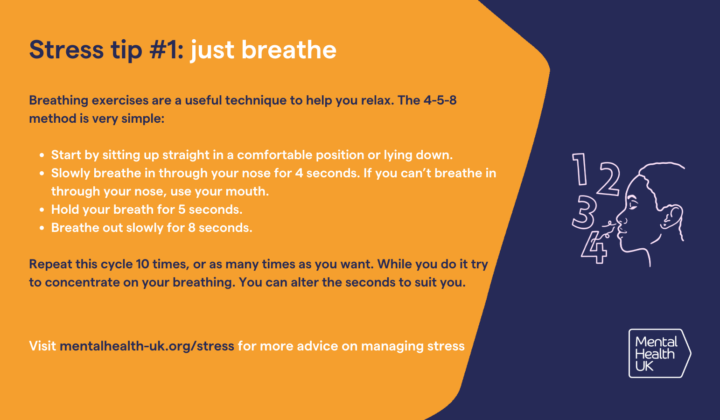
Breathing exercise

Breathing exercise

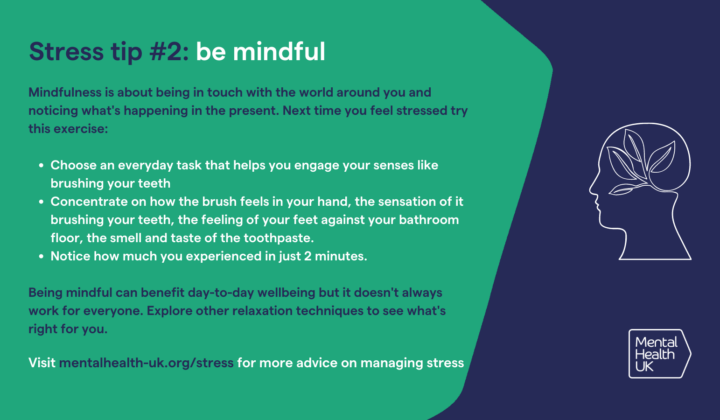
Being mindful

Mindfulness

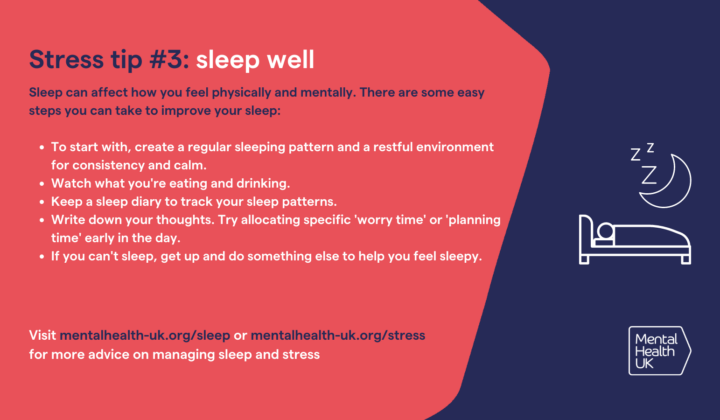
Sleep well

Sleeping well

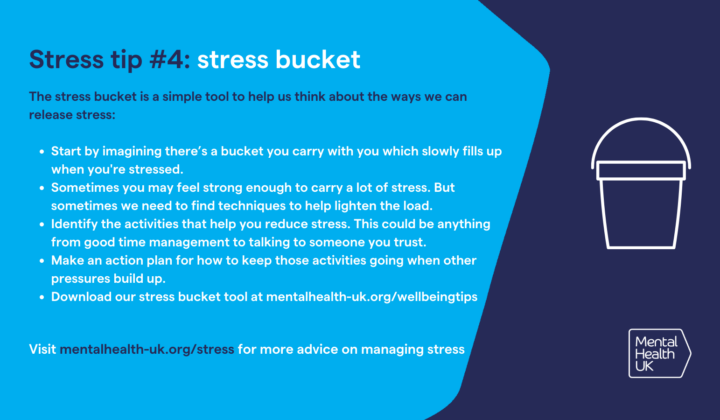
Stress Bucket

Stress bucket

Stress management resources

Stress Bucket cover

Stress bucket

Thoughts to court cover

Taking your thoughts to court

Managing Stress and Building Resilience cover

Managing stress and building resilience

Download guides

Free resources and tools

Mental Health UK provides free downloadable resources to help everyone nurture and manage their mental wellbeing.

These include guides, conversation tools, wellbeing planners, and toolkits on burnout, menopause, and sleep.

Where can I get support for stress?

If stress is affecting your wellbeing or feeling overwhelming, support is available and there are organisations and services that can offer guidance and a listening ear. Here are the contact details of some of them.

CALM

CALM (Campaign Against Living Miserably) offers free, confidential support for people struggling with life or their mental health. Support is available via helpline and live chat, alongside practical tools and resources for issues such as suicidal thoughts, low mood, anxiety and relationship difficulties.

Call: 0800 58 58 58

Every day, 5pm - midnight

Hub of Hope

UK-wide mental health support directory, helping people find local, national, and online services. Through their website and app, users can search for mental health support, crisis helplines, and community resources based on their postcode.

NHS talking therapies

NHS Talking Therapies offers free, confidential support for people in England experiencing anxiety, depression or low mood. You can access evidence-based psychological therapies, such as CBT, either in person or online, to help you understand your feelings and develop coping skills. You can self-refer or be referred by a GP, and support is available to suit different needs and preferences.

Rethink Mental Illness

A leading charity supporting people severely affected by mental illness. Through local services, peer groups, expert information, training, and national campaigning, Rethink works to improve lives, challenge stigma, and drive change across mental health systems.

Shout

Give Us A Shout offers free, confidential, 24/7 mental health support by text for anyone in the UK who is struggling to cope. You can get support for anxiety, stress, loneliness, low mood, self-harm or suicidal thoughts by texting and connecting with a trained volunteer who will listen and help you feel calmer.

Text service is available in select locations - check their website.

Trainer presenting to a crowd

Workplace Mental Health Training and Consultancy

While individual strategies can help manage stress, lasting change often comes from organisational action. Explore our training and consultancy services to learn how we support workplaces to prevent and respond to stress more effectively.