Blog
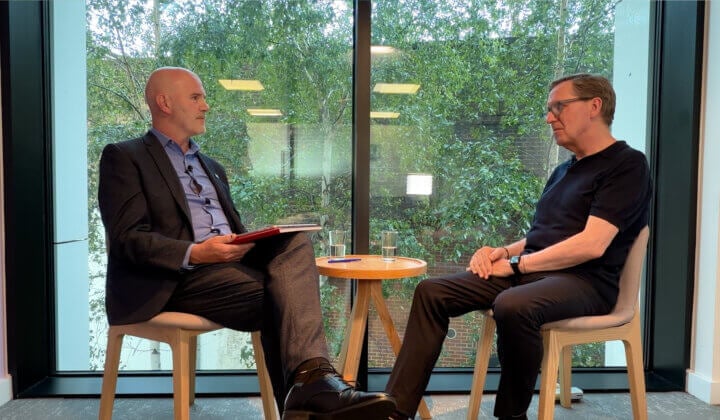
Mental Health UK’s new strategy for 2026-2031: Our plan for a mentally healthier and thriving UK
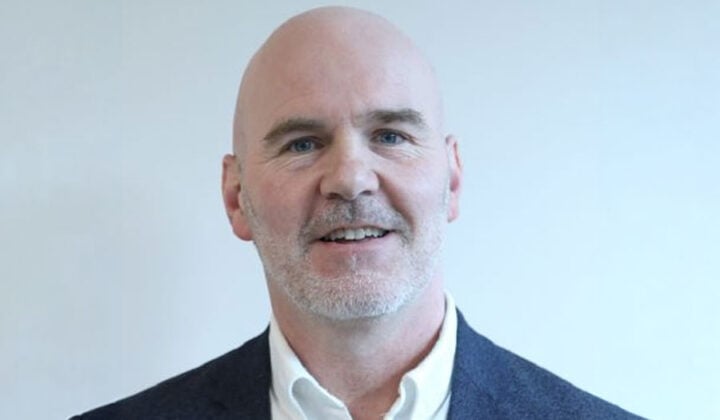
In this blog, our Chief Executive Brian Dow explains how Mental Health UK will help build good mental health and unlock the nation’s potential, in the face of ever-growing and increasingly complex threats to our wellbeing.
Current global news is distressing: To remain hopeful is to focus on the world you actually inhabit
World news has not been kind to us so far in 2026. Mental Health UK’s Chief Executive, Brian Dow, shares his opinion on how best to remain steady and hopeful in a time when that feels difficult to do either.
Clarity, not caricature, must lead the mental health debate
Over the past week, public discussion on mental health has been loud, confusing and at times steeped in myth and storytelling. It would be easy to be left scratching your head about what is really going on. Is mental ill health on the rise? Are we over-diagnosing? Can people simply sit on benefits because they “claim” to experience a mental health condition?
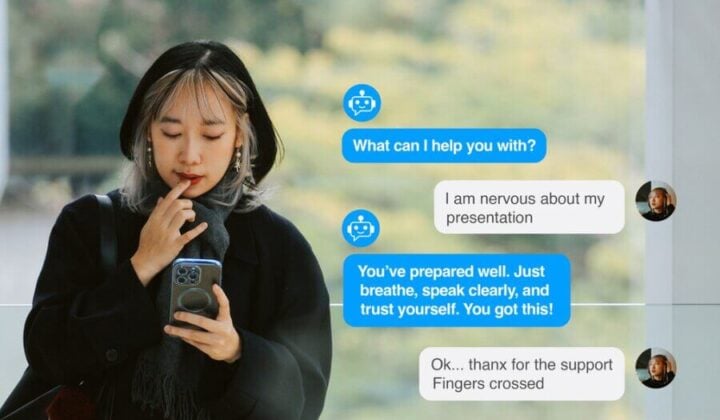
Over one in three using AI Chatbots for mental health support, as charity calls for urgent safeguards
Artificial intelligence is already being widely consulted for mental health support in the UK, with more than one in three adults (37%) [1] saying they’ve used an AI chatbot to support their mental health or wellbeing. The surprising rapid pace of adoption has prompted experts to call for safeguards to ensure people receive accurate, safe and appropriate information.
How supporting mental health at work can help keep Britain working
The Keep Britain Working Report, led by Sir Charlie Mayfield and published on 5 November 2025, shines a light on one of the biggest challenges facing the UK today. More than 2.8 million people are out of work due to long-term sickness, and poor mental health is a major factor.
Mental Health UK’s contribution and response to the Keep Britain Working report
The Keep Britain Working report highlights how work can and should support, not harm, our mental health. Good work drives wellbeing and inclusion, yet poor mental health still keeps too many people out of employment. Mental Health UK contributed to this landmark review, which outlines practical steps for employers, policymakers, and health services to build a healthier, more productive workforce.
The ABCDE of Change: What economic and technological shocks teach us about mental health
Austerity, Brexit, Covid, Demand, and now Emerging Technology. The pace of change is reshaping how we live and crucially how we feel.
Supporting young people to feel confident about money: launching our new Me & Money workshops
With the cost of living putting pressure on everyday life for many families, the challenges of keeping up with friends on social media, and the economic uncertainty lying ahead in adulthood, 81% of young people say they worry about money or personal finances, with anxiety increasing proportionately as young people move towards financial independence.[1, 2]
Racism in the media: its impact and ways to look after yourself
Racism remains a persistent and deeply rooted issue in the United Kingdom – one that is often amplified by the media. Persistent protests and anti-immigrant rhetoric reinforces harmful stereotypes, marginalises communities, and contributes to a culture of fear and exclusion. In this blog, we explore how racism in news coverage affects mental health among racially minoritised communities.
Uncovering menopause and mental health in the workplace
Menopause affects approximately half the population, yet it remains one of the most under-discussed, poorly supported life transitions within the modern workplace. As organisations strive for inclusion and talent retention, it’s time to acknowledge the significant mental health impacts of menopause – and the urgent need to embed support systems into workplace culture.
How to cope with news anxiety
It’s difficult to know how to cope with distressing news in the media and social media. In times of political instability, conflict, and hardship, reading too much about what’s happening can be overwhelming and make us feel anxious. Being informed is important, but we should consider the impact on our psychological wellbeing and the steps we can take to protect ourselves. Here, we explain how to deal with news anxiety to support your mental health, as well as young people’s mental health.
PREM Rugby teams up with Mental Health UK, as only 1 in 4 adults say they feel equipped to handle life’s challenges
PREM Rugby and Mental Health UK are proud to announce a bold two-year national charity partnership.
Bringing together one of the world’s most competitive sports leagues and one of the UK’s leading mental health charities, the partnership aims to tackle the root causes of poor mental health, raise vital funds, and use the power of rugby to create meaningful connections and conversations across the country.
A proactive approach to mental health at work: Wellbeing Action Plan
In today’s fast-paced world of work, fostering positive mental wellbeing is essential. We introduce our new Wellbeing Action Plan (WAP) — a practical, person-centred resource designed to help support your mental health and wellbeing.
Whether you’re an individual looking to reflect on your own wellbeing, a manager supporting your team, or an organisation building a mentally healthy workplace — this tool is highly beneficial.
Why creativity is important for your mental health
While it’s not often at the top of the list when it comes to practicing self-care for our mental health, there is a surprising link between creativity and mental health. Whether you’re used to being creative or it’s not part of your day to day, engaging your creativity can bring huge benefits to your mental wellbeing.
In this blog, we explore some of the ways creativity can improve our mental wellbeing, along with some ideas for how to add creativity into your life.
Why early intervention is an essential part of mental health care
Pundits often describe an overdiagnosis of mental disorders, but they fail to see that these disorders have always existed in our youth; they were simply ignored, untreated and left to fester.
Your donation will make the difference
Just £10 could allow 25 people to access the Mental Health & Money Advice website to help them improve their financial and mental health.
Donate todaySign up to Balance - our free monthly newsletter

Each edition is packed with useful mental health tips, stories of impact and fun ways you can get involved with the charity. Click 'subscribe' to choose your contact preferences.