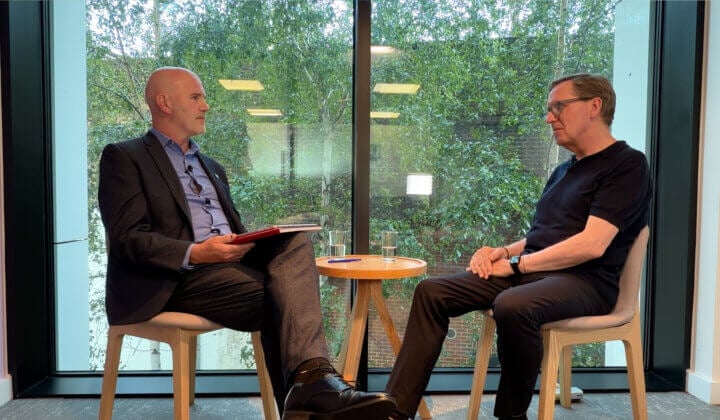

What does it really mean to live with schizophrenia? And what matters most to the people navigating the condition, as well as the families and carers supporting them?
Our new report, Beyond the diagnosis, explores these questions through the experiences of people living with schizophrenia and those who care for them.
Co-produced by Mental Health UK with 12 people with lived experience, the report explores the realities of living with schizophrenia, accessing healthcare services, the impact of medication and how side effects can shape quality of life.
By bringing these experiences and insights together, we hope to contribute to a broader understanding of schizophrenia and help shape more responsive, person-centred care and treatment, policy and support.
About the project
Antipsychotic medication plays an important role in the management of schizophrenia. However, the experiences and insights shared in this report highlight that treatment is not simply about managing symptoms.
For many people, the benefits of medication can come with difficult trade-offs. Side effects can affect physical health, emotional wellbeing, relationships, identity and the ability to carry out everyday activities. Some symptoms can also persist despite treatment, leaving people with ongoing and sometimes unmet needs.
For families and carers, supporting someone living with schizophrenia can have a profound impact on their own lives. Yet their contribution is frequently under-recognised, and they can find themselves excluded from conversations about treatment and care.
We wanted to better understand these experiences, particularly the impact of medication and its side effects on quality of life, and explore what people feel needs to change.
The findings build on existing evidence and bring the voices of people directly affected by schizophrenia into conversations about the services, care and treatments and policies that shape their lives.
Putting lived experience first
Lived experience was at the heart of every stage of this project. We worked with 12 Experts by Experience (EbEs), comprising:
- Six people with direct lived experience of schizophrenia.
- Six family members, friends and carers of people living with schizophrenia.
The project began with a co-design session involving four people with lived experience, who helped shape the questions, themes and approach before the insight sessions took place.
Separate group discussions and individual sessions were then held with people with direct lived experience and those with caring experience, providing opportunities to share experiences, reflect on challenges and identify priorities for the future.
Participants were invited from across the UK through Mental Health UK’s existing networks. Safeguarding and psychological safety were central throughout, with opportunities for individual sessions, debriefs and further reflections.
The resulting report brings together participants’ experiences in their own words, highlighting the issues that matter most to them.
Explore the methodology and findings in more detail
What people shared
The report identifies 12 key themes from people with direct lived experience of schizophrenia and seven themes from family members, friends and carers.
Together, they reveal the complexity of living with schizophrenia and the significant impact it can have beyond the symptoms themselves.
- Living with schizophrenia is pervasive, exhausting and affects all aspects of daily life
- Treatment is experienced as an ongoing trade-off between symptom control and quality of life
- Stigma, social isolation and loss of identity are profound and enduring
- Symptoms remain persistent, complex and difficult to manage despite treatment
- Side effects are pervasive, multi-dimensional and highly impactful
- Medication adherence is active, effortful and psychologically complex
- Treatment pathways are variable, unpredictable and often reactive
- Continuity of care and relationships with professionals are critical to positive experiences
- Involvement in care is variable and often insufficient
- Healthcare systems are fragmented, inconsistent and difficult to navigate
- Peer support and lived experience connection are highly valued
- Holistic needs are not fully addressed within current care models
"It’s remembering that my mental health and physical health are really closely linked…I think my hope for the future is that maybe living with schizophrenia is as researched and as specific when it comes to treatment as some of the other conditions that people are living with long-term.”

Carers: Seven key themes
The report also highlights the experiences of family members, friends and carers, whose contribution to supporting people living with schizophrenia is often under-recognised.
Seven key themes emerged:
- Caregiving is all-consuming, ongoing and impacts every aspect of life
- Symptoms remain persistent, distressing and unpredictable despite treatment
- Emotional, relational and social impact is profound and enduring
- Carers play a critical but under-recognised and inconsistently supported role in care
- Navigating services is complex, fragmented and problematic
- Medication management is complex, unclear and difficult to evaluate
- Information and support are insufficient, particularly outside of crisis
“One thing I wish that healthcare professionals understood is…to recognise the financial and personal cost of being a carer…it affects everything, it affects our relationships, health, work, finance, just understanding that all of that comes into being a carer, not just turning up for appointments.”
Across both groups, a consistent message emerged: schizophrenia affects far more than symptoms alone, and the needs of people living with the condition and those who care for them must be better recognised.
What needs to change?
The experiences shared in this report highlight the need for improvements across treatment, clinical practice, health and social care systems and wider society.
We have identified six key considerations for policy and practice:
1. Optimise treatment and recognise unmet need
Current antipsychotic treatments do not fully address cognitive and negative symptoms for many people. Greater investment in mental health research and more equitable funding are needed to expand the range of effective treatments available.
2. Acknowledge and address the burden of side effects
Side effects are often under-recognised in clinical practice. More transparent conversations about prescribing, alongside greater use of patient-reported outcome measures, can help build trust and support informed treatment decisions.
3. Embed holistic, person-centred support
Care must extend beyond symptom management to consider education, employment, finances, housing and overall wellbeing. Community organisations and peer support networks also have an important role to play.
4. Recognise and support carers as partners in care
Carers should be meaningfully involved in treatment decisions, where the person they support consents, with access to timely information, a named point of contact and dedicated peer support.
5. Strengthen continuity of care
Consistent therapeutic relationships are fundamental to positive experiences of mental health services. Addressing workforce pressures, improving clinical documentation and reducing caseloads can help deliver more stable, person-centred care.
6. Tackle stigma at every level
Misconceptions about schizophrenia continue to affect people living with the condition and their carers. Public awareness, professional training and co-produced mental health literacy initiatives are needed to challenge stigma across healthcare, government, communities and the media.
These considerations highlight the importance of moving towards a system that recognises people as individuals, values their expertise and responds to their wider needs.
Listening, understanding and driving change
The experiences shared throughout this report demonstrate the importance of listening to people who know what it means to live with schizophrenia, and those who support them.
While individual experiences varied, the messages were remarkably consistent. People want to be heard, understood and involved in decisions about their care. They want treatment that considers their quality of life, not just symptom management. And carers want their contribution recognised, with access to the information and support they need.
For too long, people living with schizophrenia have been deprioritised by systems that have not always responded with the empathy, resources or urgency their needs deserve.
We hope Beyond the diagnosis helps bring these experiences into wider conversations and contributes to meaningful improvements in the services, policies and treatments that affect people’s lives.
The voices of people with lived experience deserve to shape the future of schizophrenia care.
We believe meaningful progress in SMI relies on collaboration between people with lived experience, carers, healthcare professionals, researchers, industry and the wider mental health sector. We welcome conversations with organisations working in this space who share our ambition to improve experiences, treatment and support for people affected by SMI.
If you are interested in exploring opportunities to collaborate with Mental Health UK, we would love to hear from you.
About Mental Health UK
Mental Health UK works to tackle the barriers that hold people back and provide practical tools and support to help them thrive at home, at school and at work.
We bring together the experience and expertise of four charities across the UK: Rethink Mental Illness in England, Adferiad in Wales, Change Mental Health in Scotland and MindWise in Northern Ireland.
Through our Lived Experience Insights work, we connect commissioners, researchers and professionals with people with lived experience, including families and carers, to unlock insights, challenge barriers and drive meaningful change.
Co-production is central to our approach. We believe the people most affected by mental health challenges should have a meaningful role in shaping the services and systems that support them.
Acknowledgements and funding
This report was produced by Mental Health UK and initiated and funded by Bristol Myers Squibb.
Mental Health UK works with organisations across the health and life sciences sectors to improve understanding, challenge stigma and help ensure that the experiences of people affected by mental health conditions inform research, policy and practice. Our relationship with Bristol Myers Squibb (BMS) reflects a shared interest in improving outcomes for people living with severe mental illness (SMI). Together, we have supported this work to better understand the experiences of people living with schizophrenia and those who care for them.
Report reference: NS-GB-2600136[SJ2.1] | October 2026
This project has been commissioned by BMS to support Mental Health UK’s work in understanding more about the experiences of those living with schizophrenia. Mental Health UK have editorial control of all content, which has been reviewed by BMS in line with the ABPI (Association of British Pharmaceutical Industry) Code of Practice. The independence of Mental Health UK has been maintained. The opinions and accounts expressed by people with lived experience and Mental Health UK in this report are their own and do not necessarily reflect the views, policies or positions of BMS. These testimonials are included solely to share individual lived experiences and should not be interpreted as official BMS statements.
The report contains quotes of people’s experience with medications. Licensed medications have demonstrated benefits for appropriate patients, as well as having side effects. It is important that these are communicated and monitored by healthcare professionals (HCPs). The decision to use a particular medication should be made by a HCP, along with the patient and/or carer.
Interested in partnering with us?
Together, we can turn shared ambitions into meaningful action for mental health.