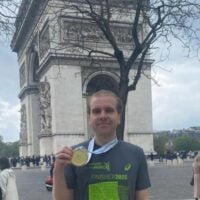
Aiden’s story
Aiden shares his experience of burnout in his first job after university, reflecting on the pressures he faced, the support that helped him through, and the lessons he learned about maintaining a healthy worklife balance.
"One day, I logged on to work and felt completely frozen – crashed, like a computer."
I experienced burnout after the demands at work became too much, although I didn’t realise it until it was too late. I felt extremely fortunate to get a job at a prestigious firm after university, but over time the demands grew. We were each given two laptops and working overtime to meet rising workloads quickly became the norm. It felt like an unspoken expectation to pitch in and help team members – everyone did it and it became part of the working culture. Because it was my first job, I assumed this was simply how working life was meant to be, so I didn’t question it.
One day, I logged on to work and felt completely frozen – crashed, like a computer. I sat there for what seemed like an hour, though it was probably only ten minutes. Thankfully, I had a great relationship with my manager, so I called them immediately, and we talked about what support would help.

At the time, I couldn’t see it, but burnout had taken hold and triggered depression. I ended up off work for an extended period; much of it was spent in psychiatric hospitals, sometimes hundreds of miles away from home.



I started to engage in lots of therapy and began building up my personal toolbox of coping strategies.
Here are two that I now rely on to help prevent burnout reoccurring:
Turn it off and on again: Much like a computer that crashes, when I notice my mood starting to dip, I give myself permission to pause. I cancel plans (friends and family will understand!), and I prioritise my physical health by eating well, staying hydrated, getting enough sleep, and making time for the things I genuinely enjoy. Burnout is serious, and it deserves to be treated as such.
Lean on support at work: From day one, I was taken seriously, and every effort was made to support my recovery. I did a phased return, starting small, even just popping into the office for a cup of tea with flexible hours that were regularly reviewed by an occupational specialist. Having that structured, understanding support made a huge difference in getting back on my feet.
There’s a saying that goes: “If you put a frog in a boiling pot, it will jump straight back out, but if you put it in a pot of tepid water, then gradually turn the heat up, it won’t notice it’s being boiled”.
This is what burnout feels like: you often don’t realise it’s happening until you’re already there.
I strongly recommend reaching out for support, whether that’s through your GP, a charity, or your workplace. Waiting lists can be long, but having support from work can ease the pressure in the meantime.
Since experiencing burnout, my work–life balance has improved significantly. Your job should enable you to enjoy the things you love. For me, that’s swimming and playing video games with friends. Work shouldn’t be the centre of your universe; when it is, you risk missing out on life itself.
Your donation will make the difference
Just £10 could allow 25 people to access the Mental Health & Money Advice website to help them improve their financial and mental health.
Donate today

Sign up to balance, our free monthly newsletter
Each edition is packed with useful mental health tips, stories of impact and fun ways you can get involved with the charity.