Kainat’s story
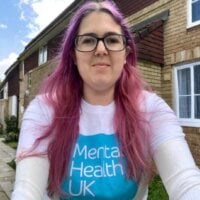
Kainat shares her experience of living with social anxiety, depression, selective mutism, autism, ADHD (attention deficit hyperactivity disorder) and developmental language disorder (DLD).
"My difficulties were not due to a lack of ability, but rather a lack of appropriate support."
My mental health challenges at school
In Year 7, I began to struggle in ways that weren’t always visible. I had a lot of awareness about my differences from early life, but never had the words to express them and therefore learned how to mask to fit in. I often wanted to speak and ask for help, but found myself unable to. Instead, I stayed silent which was sometimes misinterpreted as defiance or a lack of effort.
I was also misunderstood and, at times, bullied by my peers. I was a friendly and expressive person who enjoyed connecting with others, but I found social situations confusing and overwhelming. Being undiagnosed at the time made everything harder.
Reaching the finals of my school talent show helped shift how others saw me and the bullying reduced.

Then during lockdown, when schools moved to remote learning, I experienced something unexpected - a sense of calm.
Being at home reduced the social and sensory pressures, and made me feel safe.



I could work at my own pace, meet my needs more easily and connect with friends online. It was one of the few times I felt in control.
However, returning to school after lockdown was extremely challenging. Each day felt overwhelming and attending school became difficult. The impact was significant – my mental and physical health declined, and I was visibly unwell. Despite expressing that I needed help at school, I felt much went unaddressed.
I began to withdraw from social situations and friendships. In lessons, I found it difficult to engage. During particularly overwhelming moments, I’d become completely non-responsive, unable to speak or react.
Accessing the right support and getting a diagnosis
By Year 9, I was in crisis and tried to access support through my GP. My initial referral to CAMHS (Child and Adolescent Mental Health Services) was declined. I turned to online support services, such as Childline and Kooth.
Speaking to counsellors made me feel less alone and for the first time, I felt listened to.
These services provided valuable emotional support while I continued trying to access further help.
At the same time, it highlighted what was missing. Logging off from these online support services meant returning to a reality where there was no consistent, in-person support.
It was only in Year 10, when my difficulties became more visible, that support was put in place. Through CAMHS, I was diagnosed with selective mutism, anxiety, depression and communication difficulties. Having these diagnoses helped me understand my experiences, although the process itself wasn’t always straightforward. There were long waits, changes in therapists and times when important concerns felt dismissed by CAMHS.
Later, in college, I met a learning support tutor. She’d comfort me when I was upset, check in with me every morning and motivated me to keep going. With her help, I was referred for further assessments, leading to a diagnosis of developmental language disorder (DLD), ADHD (attention deficit hyperactivity disorder) and autism. These diagnoses helped build a clearer picture of my needs.
With the right support and adjustments finally in place, I was able to retake and successfully pass my GCSEs. This was a significant moment for me as it showed that my difficulties were not due to a lack of ability, but rather a lack of appropriate support.
What has made the biggest difference is being understood, even if only by a few people. When support is delayed, needs are misunderstood and difficulties escalate.
Accessing the right support, receiving appropriate diagnoses and having opportunities to express my experiences have all played a role in my journey.
Using my experience to support others
Alongside managing my own difficulties, I became involved in volunteering and advocacy work.
I’ve delivered speeches, mentored children with socio-emotional difficulties, and supported adults with learning disabilities as a peer supporter with VoiceAbility. I was also involved in the Here4You campaign, a services innovator committee and The Mix writer group. More recently, I co-designed a workshop with Imperial College for a future NHS app, supporting young people waiting for treatment.
This showed me that even during difficult times, it is possible to contribute positively and support others.
I’m now preparing to study Psychology at university. While my journey is still ongoing, it has highlighted the importance of early support, listening without judgment, and recognising that not everyone who is struggling is able to say it out loud.
Information and support
Your donation will make the difference
Just £10 could allow 25 people to access the Mental Health & Money Advice website to help them improve their financial and mental health.
Donate today

Sign up to balance, our free monthly newsletter
Each edition is packed with useful mental health tips, stories of impact and fun ways you can get involved with the charity.