- New research from iD Mobile and Mental Health UK reveals that phone calls are in decline and while more than half (52%) of Brits wish they called loved ones more, the majority admit they default to messaging instead – even when they know a phone call would often be better.
- 51% admit to feeling some level of anxiousness when making or taking calls, despite three in four Brits (75%) reporting a boost to their mood after speaking with a loved one on the phone.
- This Mental Health Awareness Week, iD Mobile and Mental Health UK, are urging the nation to do one simple thing: ditch the texts and ‘Make it a Call’ instead.
We may be more connected than ever, but when it comes to real conversation, Britain is going quiet.
To mark Mental Health Awareness Week 2026 (11th–17th May), new research from iD Mobile, in partnership with Mental Health UK, reveals a growing and often overlooked trend: anxiousness about talking on the phone.
As mobile call minutes continue to decline year-on-year , the findings point to a fundamental shift in how we communicate, with more people opting to message rather than speak. But this isn’t just about convenience; it’s about discomfort.
More than half of people (51%) now report feeling anxious about making or receiving personal phone calls. This isn’t driven by indifference, but through hesitation. From worrying about interrupting someone (55%) to uncertainty over what to say (10%), even simple calls are becoming a source of stress.
The impact is clear: 33% of Brits state they call much less than they did 10 years ago whilst more than half (52%) wish they called loved ones more. Instead, messaging has become the default, not because it’s more meaningful, but because it feels safer, easier and less intrusive.
The data also exposes a generational divide. Levels of anxiousness and worry around phone calls is significantly higher among younger groups, affecting 69% of Gen Z and 65% of younger millennials, compared to just 32% of those aged 55 and over. The rise of digital-first communication is not just changing habits, it’s reshaping confidence in real-time conversation.
When asked why they reach for their phone to message rather than call, Britons revealed that the Top 10 barriers are less about logistics than about anxiety, self-doubt and consideration for others:
- It’s quicker and more convenient to send a message (38%)
- I don’t want to interrupt them or catch them at a bad time (25%)
- I’m not sure if they’re available to talk (25%)
- I feel uncomfortable about phone calls (23%)
- I prefer to think through what I want to say first (23%)
- Messaging feels less intrusive or more appropriate (21%)
- I worry the call will take too long (14%)
- I worry about saying the wrong thing (13%)
- It feels like less effort than making a call (12%)
- I’m not sure what to say in a live conversation (10%)
On average, Brits send up to 25 text-based messages each day, yet more than 6.4 million (14%) admit they have gone more than a week without actually speaking to a friend or loved one on the phone.

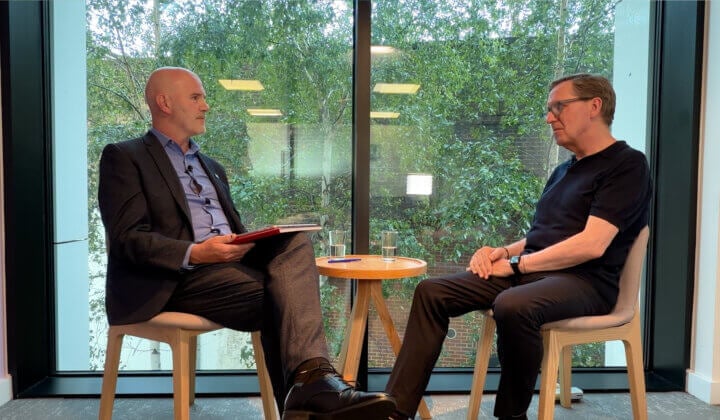
“Messaging might seem more efficient, even more considerate, because you feel like you aren’t interrupting anyone. Yet we know that for many people, a simple phone call provides a much better opportunity to connect and can change someone’s day for the better.”



And while messaging may feel easier in the moment, it often comes at the expense of revealing how you’re truly feeling.
Nearly three quarters (73%) of respondents admitted to rewriting a text message multiple times because it was difficult to say what they really meant. Almost a third (31%) described sending messages that stretch to multiple paragraphs, or even several in a row, while 43% agree that messages don’t always fully convey what they mean or feel. All to communicate something that, in a phone call, would have taken thirty seconds and given the reassurance of hearing someone’s voice.
In hindsight, more than half (57%) said they have sent a text or message when a phone call would have been far more appropriate.
Brian at Mental Health UK continues: “The irony is sharp. Many of us choose the format that feels lower effort, then spend longer drafting a message and still fail to communicate what we want to say.”
The Power of Voice
Mental Health UK, one of the UK’s leading mental health charities, is clear on the relationship between social connection and mental wellbeing.
When we speak to someone on the phone – hearing their voice, catching the pause before they answer, laughing at the same time – something happens that a string of “text bubbles” simply cannot replicate.
The research findings reflect that. Two thirds (66%) of people said they feel more connected after a phone call with someone close to them and three in four (75%) agree that phone calls boost their mood. Nearly three quarters (72%) agreed that hearing someone’s voice makes a bigger difference to how they feel than reading their words. And an overwhelming four in five (79%) agreed that a phone call can make a real difference to someone’s mental wellbeing.
"Connection is one of the most powerful protective factors for mental health, and as this polling shows, speaking to someone helps us feel closer than a text. Many of us have hesitated before making a call, but that hesitation is rarely as big a barrier as we imagine it to be.
“Our loved ones are often very pleased and grateful to receive a call. There is, of course, a time and a place for a message, but there’s a risk that we become over-reliant on them at the cost of speaking to one another, and we lose out on something that can significantly boost our mental wellbeing."
Concerned by what this quiet shift is costing us, iD Mobile and Mental Health UK are asking Britons to commit to one simple action this Mental Health Awareness Week: Ditch the texts and Make it a Call.
How to pick up the phone if you’re worried about someone
For many people, the barrier to calling isn’t indifference, it’s uncertainty. But if you’re worried about someone or feel the need to check in, an imperfect conversation is always better than staying silent. It shows someone they’re not alone.
Mental Health UK understands these hesitations and offers simple guidance to help people start a conversation about mental health with confidence:
Choose the right moment
If you’re worried about someone, it’s worthwhile checking in before you call to ensure you both have the time and space to talk without distractions.
Listen more than you speak
Let them share at their own pace and ask open questions for example: “I’ve noticed you haven’t seemed yourself lately, what’s been on your mind?”
Acknowledge, don’t fix
Focus on understanding, not solving. Feeling heard matters most. Sometimes saying “I can see this has been really tough for you” will do more than any advice.
Lead with empathy
Keep the focus on them, rather than comparing to your own experiences.
Know your role
You don’t need all the answers. You are not there to diagnose or fix, simply being there is enough. If you are concerned, gently encourage them to speak to their GP or, if you need urgent support, contact NHS 111.
For more information and guidance regarding approaching challenging conversations with more confidence, visit www.idmobile.co.uk/makeitacall to access a full suite of resources.
The challenge to the nation: ditch the texts and Make it a Call!
iD Mobile and Mental Health UK are calling on people across the UK to take one simple action this Mental Health Awareness Week: take a message they would normally send and turn it into a phone call instead.
The research suggests most of us are already open to the idea. When asked who they would most likely call, the most common responses were someone they’ve lost touch with in recent years (41%), a friend (40%) or a sibling (30%).
And the barrier, it turns out, may be smaller than expected: Nearly six in ten (58%) said they would be more likely to call if they knew the conversation would last five minutes or less. Often, that’s less time than it takes to draft, redraft and second-guess a message, without the reassurance that comes from hearing a familiar voice at the other end of the line.
“At iD Mobile, keeping you connected is what we do best - but we know that means more than just signal and data. We’re on our phones more than ever, yet many of us are missing out on the deeper connection that only comes from a real conversation.
“The research shows just how much of a difference hearing a voice can make to our mental health, so we’re inviting the nation to 'Make it a Call' this Mental Health Awareness Week. Alongside our friends and partners at Mental Health UK, we hope this campaign and the longer-term partnership it represents can help us all feel a little more connected, every day.”

Brian at Mental Health UK concludes: “We’re not asking people to transform how they communicate. Just to pick the phone and check in with someone once this week. It might make more difference than you’d imagine, for yourself and for the person on the other end of that call.”
Ditch the texts and Make it a Call for Mental Health Awareness Week.
Visit www.idmobile.co.uk/makeitacall to find out more, get involved and access helpful tips and tools from Mental Health UK.
Notes to editors
Research was conducted by Research Without Barriers, between 27-29 April 2026
In connection with the ‘Make it a Call’ campaign, iD Mobile will ensure that a financial contribution is made to Mental Health UK (charity number 1170815).
For more information, or to arrange an interview with a spokesperson, please contact:
– iD Mobile: James Waller – james.waller@troublemaker.co.uk
– Mental Health UK: media@mentalhealth-uk.org or call 020 7840 3128
Source:
[1] Ofcom Telecommunications Market Data Update, published 16 April 2026