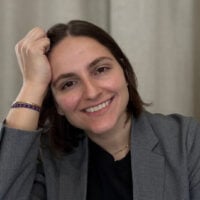
Yasmin’s story
Living with borderline personality disorder (BPD) is hard to explain in a few words. For me, it has been a journey marked by loss, confusion, and intense emotions, but also one of growth. Over the years, I have learned what led me to seek help, how BPD has affected my life, and what has made the biggest difference in helping me move forward.
Trigger warning: This article mentions suicide
"My psychologist suggested group therapy which became a turning point. I met people with similar experience ... I felt validated and happy to be there."
The first signs appeared when I was about 10 or 11. My grandmother passed away, and although I was young, the trauma of her death stayed with me. I remember feeling that everyone I loved might disappear too, but I never spoke about it with my family or anyone else.
On the surface, I was the happy kid; chatty, friendly, and always fitting in. But inside, I was terrified that showing my real feelings or opinions would make people reject me. To protect myself, I mirrored others, agreed instead of expressing my true thoughts, and avoided conflict. This need for acceptance shaped almost everything, from how I saw myself to how I related to others.
My friendships were intense. They involved constant communication and spending excessive amounts of time together. New friendships came into my life in what I can only describe as “episodes.” They would be extremely intense for a few months, until I felt overwhelmed and cut them off without warning. I cannot tell you how many times that happened.
By the age of 24, everything came to a head. At a friend’s wedding, surrounded by couples and joy, I felt only numbness. It seemed I could never have a stable relationship; that things would start intensely, then become too much. It felt like I could never be loved or let anyone love me. When I returned home, that numbness deepened into detachment. One day, I even stepped towards an oncoming car almost without thinking. Pulling back at the last second made me realise I could not go on like this. That moment pushed me to seek help.
I saw my GP, then self-referred to the local talking therapies service, who told me in the first session that I needed more support than they could offer. Eventually, I was referred to the community mental health team. It took three months before I was seen. By then, my mental health had worsened, and I had even been to the hospital.
When I finally saw a psychiatrist, the diagnosis of BPD came quickly.

Oddly, I felt relieved. I could finally accept that I had not made up those feelings, that I did not have intense relationships because I was strange or disgusting, but because there were emotions I did not know how to regulate properly.
I started to feel less confused.


From there, things began to shift, but it was not easy. I was prescribed medication to help regulate my emotions, but it took time to find the right one. The first medication gave me several side effects. I couldn’t start individual therapy because the waiting list was one to two years long, which was discouraging. However, my psychologist suggested group therapy which became a turning point.
I met people with similar experiences, people who could laugh at the things we do when we are “out of control.” I felt validated and happy to be there. I learned practical tools to identify triggers, manage panic attacks, and pause before reacting. Most importantly, I developed self-awareness. Instead of being swept away by my emotions, I learned to step back and make healthier choices.
After a year and a half of weekly therapy sessions, I became more grounded in relationships and less afraid of rejection. I began to see myself not just as someone defined by BPD but as a whole person, with strengths, weaknesses, and a future completely different from what I imagined as a child. At work and in social situations, I felt less drained and more able to cope with stress. At home, I built routines that supported my mental health.
But things did not always run smoothly. During that time, I faced stigma and still do.
It began with the psychiatrist who diagnosed me. His first comment after sharing my diagnosis was, “But that does not mean you are a bad person.” I had never thought that, and I did not like that he assumed I would.
Since then, I have often seen similar reactions. When I tell people about my experience with BPD, their expressions change. Some look worried; others lower their voices, as though we need to whisper about it.
Today, I know BPD is a part of who I am, and I am not scared of it or ashamed. I have learned to appreciate how much I have overcome to reach this point. It has taken years of effort and it remains a daily practice. I share my experience openly, so that stigma never stops others from seeking help or opening up to those they trust. With the right support, treatment, and patience, it is possible to build a grounded and fulfilling life, even with BPD as a companion.
Information and support
Your donation will make the difference
Just £10 could allow 25 people to access the Mental Health & Money Advice website to help them improve their financial and mental health.
Donate today

Sign up to balance, our free monthly newsletter
Each edition is packed with useful mental health tips, stories of impact and fun ways you can get involved with the charity.