Social media and young people’s mental health
Social media and young people’s mental health is an increasingly important topic for parents, carers, schools, healthcare professionals and policymakers. Social media plays a central role in many young people’s lives, helping them connect, learn, express themselves and find support.
This page explores the evidence, benefits and risks, practical ways to support healthier online habits, and the wider conversation around online safety and government action to protect young people online.

On this page
What is social media?
Social media refers to digital platforms and apps such as TikTok, Instagram, Facebook, Snapchat, YouTube and X, that allow people to create, share and interact with content and communicate with others online.
Young people may use social media to:
- Keep in touch with friends and family
- Share experiences and interests
- Access information and support
- Explore identity and self-expression
- Follow influencers, creators, celebrities and organisations
- Participate in online communities
For many young people, social media is part of their everyday life, intertwined with friendships, education, entertainment and identity development.
How can social media benefit young people’s mental health?
Social media is often discussed in terms of risks, but it can also provide a range of direct and indirect benefits to a young person’s mental health.

Connection and belonging
Social media can help young people:
- Stay connected with friends and family
- Maintain relationships across distances
- Find communities with shared interests
- Feel less isolated and alone

Self-expression and creativity
Social media can help young people:
- Explore their identity and values
- Share creative work and ideas
- Develop interests and hobbies
- Learn and practise new skills

Access information and support
Social media can help young people:
- Learn about different perspectives
- Access information and resources
- Hear others’ lived experiences
- Find support, advice and guidance
How can social media adversely affect young people’s mental health?
While social media can offer positive opportunities, some features on platforms such as TikTok, Instagram, Snapchat, YouTube, Facebook and X, including endless scrolling and algorithm driven recommendations, may affect wellbeing and contribute to excessive use, comparison or negative experiences for some young people.
Social comparison
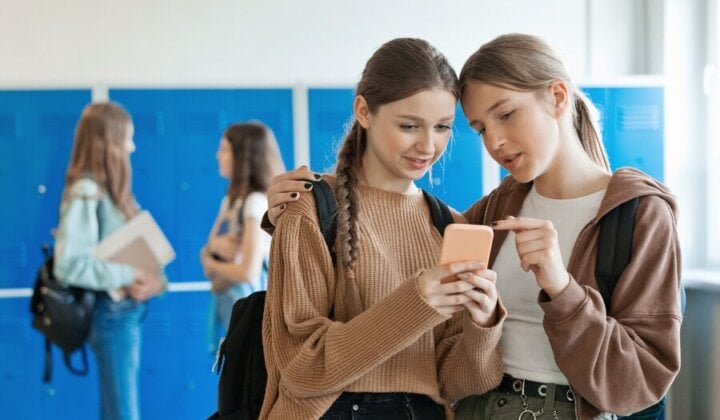
Many platforms encourage users to share carefully selected highlights of their lives.
This can lead some young people to compare:
- Appearance
- Achievements
- Friendships
- Lifestyle
- Popularity
Over time, repeated comparison may affect confidence, self-esteem and body image. This may contribute to feelings of low self-worth, anxiety, low mood or pressure to meet unrealistic expectations.
Body image
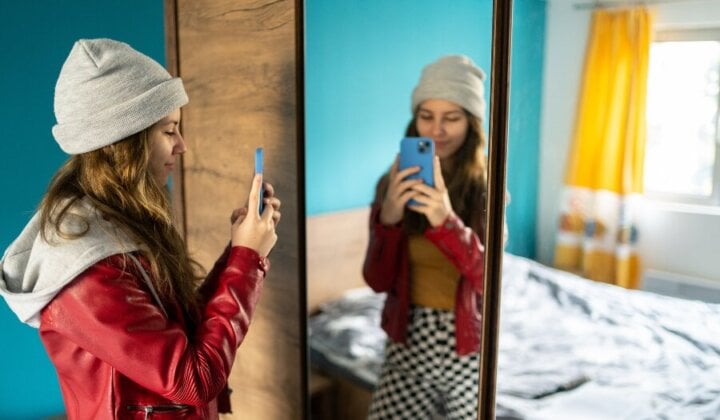
Image-focused content may contribute to:
- Appearance-related worries
- Unrealistic expectations
- Pressure to look a certain way
- Negative self-perception
Research suggests that adolescent girls can be particularly vulnerable to appearance-related comparison, although body image concerns affect all genders.
Body image concerns can affect self-esteem, confidence and emotional wellbeing, and may be linked with distress, anxiety or negative feelings about oneself.
Cyberbullying
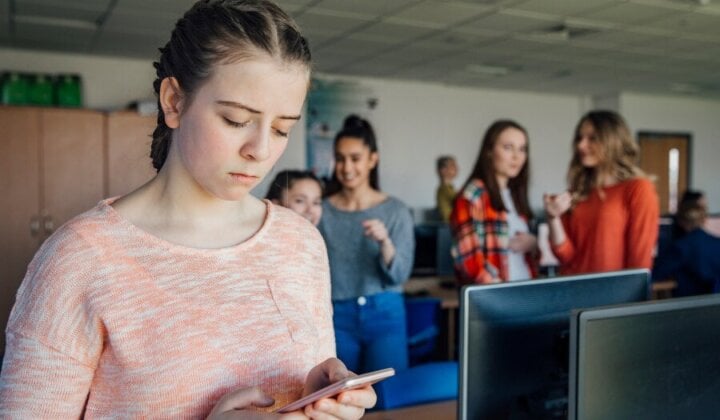
Cyberbullying can include:
- Harassment and threats
- Social exclusion
- Sharing embarrassing content
- Persistent negative or inappropriate comments
Online harassment can occur at any time and reach large audiences quickly.
Cyberbullying can increase feelings of anxiety, stress, loneliness and isolation, and may affect a young person’s sense of safety and belonging.
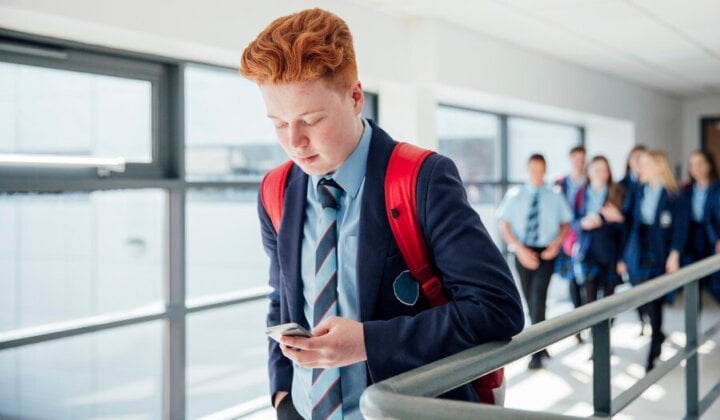
Fear of missing out (FOMO)
Seeing other people’s activities and experiences can sometimes contribute to:
- Anxiety
- Loneliness
- Social pressure
- Feelings of exclusion
FOMO can affect mood, confidence and feelings of connection, potentially increasing worries about being left out or not fitting in.
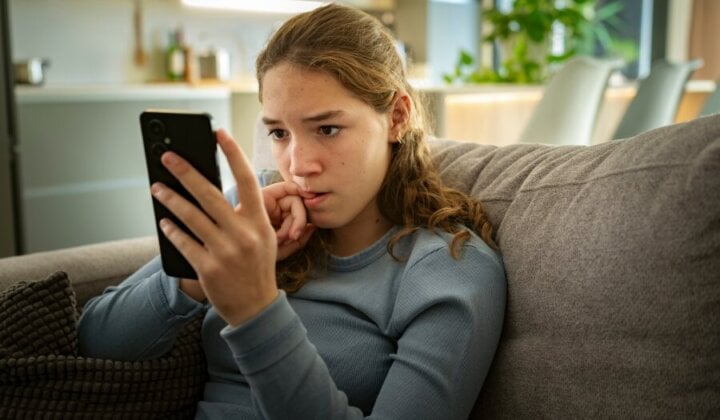
Harmful content
Some young people may encounter content related to:
- Self-harm
- Suicide
- Eating disorders
- Violence
- Hate speech
- Misinformation
- Distressing or inappropriate content
- Misleading financial content (e.g. investment schemes, gambling etc)
Although platforms have moderation systems, young people may still encounter harmful or distressing content, which can contribute to anxiety, fear or emotional overwhelm.
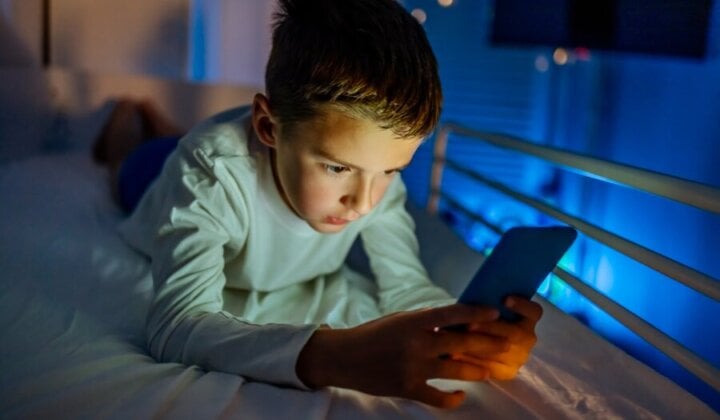
Sleep disruption
Social media may affect sleep through:
- Late-night scrolling
- Notifications
- Emotional stimulation before bedtime
- Difficulty switching off
- Information overload and anxieties such as news or climate anxiety
Poor sleep is strongly associated with lower wellbeing, increased stress and emotional difficulties. Sleep disruption can affect mood regulation, concentration, learning and the ability to manage emotions and cope with everyday challenges.
What are the signs social media may be affecting a young person’s mental health and wellbeing?
Not all changes in behaviour are caused by social media, but some signs may indicate that online experiences are contributing to distress.

Emotional
- Increased anxiety
- Irritability
- Low mood
- Feeling overwhelmed
- Reduced self-confidence

Behavioural
- Withdrawing from offline activities
- Preoccupation with social media
- Constantly checking notifications
- Avoiding friends or family
- Changes in eating habits

Cognitive
- Difficulty concentrating
- Excessive worry about online interactions
- Constant comparison with others
- Negative self-talk

Physical
- Sleep difficulties
- Fatigue
- Headaches
- Tension
- Reduced energy
What does research say about social media and young people’s mental health?
The relationship between social media and young people’s mental health is complex. Research in this area is still developing, but current evidence suggests that its impact depends on how social media is used, the content young people encounter, and their individual circumstances.
Social media can support connection, creativity, self-expression and access to support. However, some young people may experience challenges linked to social comparison, harmful content, cyberbullying, pressure to present themselves in certain ways, or disrupted sleep.
Young people who are already experiencing mental health challenges may be more affected by some online experiences. For example, negative interactions, harmful content or reassurance-seeking behaviours may reinforce existing worries, low self-esteem or emotional distress.
Research does not show that social media alone causes mental health conditions. Instead, mental health and social media use can influence each other. A young person’s wellbeing may affect how they use social media, while their online experiences may also affect their wellbeing.
Does social media affect mental health differently at different ages?
Young people are not one single group, and the impact of social media can vary depending on age, stage of development, emotional wellbeing and life experiences.
Adolescence is a period of significant change, with identity, independence and peer relationships becoming increasingly important. These factors can influence how young people engage with social media and how online experiences affect confidence, self-esteem and emotional wellbeing.

Early adolescence
Younger teenagers may use social media to:
- Stay connected with friends
- Explore interests and identity
- Find communities and support
At this stage, online feedback and peer approval can feel particularly important as confidence and self-esteem are still developing, and younger teenagers may need more support to navigate online content.

Older teenagers
As young people get older, social media often becomes more connected to relationships, self-expression and wider social experiences.
Many develop stronger skills to navigate online spaces, although social media can still influence wellbeing through the way young people interact with content, communicate with others and manage their online presence.

Transition to adulthood
As young people move towards adulthood, social media may become more connected to education, work, relationships and communities.
At this stage, young adults may have greater awareness of their online habits and support available but can still experience challenges such as difficulty switching off or managing the emotional impact of online experiences.
Why is social media and young people’s mental health a growing concern?
Public attention on social media and mental health has increased significantly in recent years, alongside rising concern about young people’s wellbeing more broadly.
Key drivers include:
- Increased screen use and platform engagement among teenagers
- Concerns about anxiety, low mood, and sleep difficulties
- Exposure to harmful or distressing content online
- Policy discussions about age limits and platform responsibility
- Growing awareness of algorithm-driven content and comparison culture
The World Health Organization (WHO) highlights that digital environments are now a core part of adolescent life and that their impact on wellbeing is highly variable depending on context and vulnerability.
Researchers have also explored how online environments may influence risk-taking behaviour, particularly where peer approval, social validation and online trends are involved. Outcomes tend to vary depending on the type of use, emotional context, and individual vulnerability. It’s important not to look at how much social media is used, but how and why it is used.
What is the UK social media ban for under-16s?
The UK government has announced plans to strengthen online safety for children and young people by introducing restrictions on social media access for under-16s. Building on the Online Safety Act 2023, the proposals aim to reduce young people’s exposure to harmful content, online experiences, and prolonged use that may negatively affect their mental health and wellbeing.
Major platforms such as TikTok, Instagram, Facebook, Snapchat, YouTube and X are expected to be affected, alongside additional protections around features such as live streaming and contact from strangers. The proposals are intended to strengthen online safety and reduce risks such as grooming, exploitation and harmful online experiences, with final details to be confirmed through the government’s implementation process.
The government has indicated that the changes are expected to take effect from spring 2027, with Ofcom responsible for overseeing online safety regulation and enforcement.
Explore the Government’s online safety measures: GOV.UK – New rules to protect children online
How to support a young person’s use of social media
Social media is an important part of many young people’s lives, and conversations about it are often more helpful than simply setting rules or removing access.
Supporting healthy social media use is about helping young people develop awareness, confidence and skills to navigate online spaces.

Start with curiosity, not criticism
Young people are more likely to talk openly about their online experiences when they feel listened to. Showing interest in the platforms they use can help build trust and create opportunities for honest conversations whilst encouraging critical thinking.
Try asking:
- What’s enjoyable about the app?
- How does being online affect feelings and wellbeing?
- Has anything online ever felt uncomfortable or upsetting?
- What types of content feel helpful or unhelpful?
Understand their online world
Taking time to understand the apps, games and communities young people use can help parents and carers provide better support.
Talk about:
- Who they interact with online
- What content they are seeing
- How algorithms influence what appears in their feeds
- How to recognise misleading, harmful or upsetting content

Agree boundaries together
Rather than focusing only on limiting social media use, work together to create healthy routines that develop independence and self-awareness.
This may include:
- Agreeing phone-free times, such as during meals or before bed
- Protecting sleep by reducing late-night scrolling
- Encouraging offline activities, friendships and hobbies
- Taking regular breaks from apps when needed

Notice changes in wellbeing
Social media affects everyone differently. While the following signs do not necessarily mean social media is the cause, they may indicate that additional support or a conversation could be helpful:
- Increased anxiety or low mood
- Becoming withdrawn from offline activities
- Feeling distressed after being online
- Difficulty switching off
- Changes in sleep or confidence
Model healthy digital habits
Young people often learn from the adults around them.
Showing balanced use of technology, taking breaks and being mindful about own online habits can help reinforce healthy digital behaviours.
Privacy settings, safety controls and reporting tools can also be explored together where appropriate.
Frequently Asked Questions about social media and young people
Can social media help young people feel less isolated?
Social media can help young people connect with others who share similar interests, experiences, identities or circumstances, which may reduce feelings of isolation and strengthen a sense of belonging. This can be particularly valuable for young people who may struggle to find support in their offline environment. For example, young people from LGBTQIA+ communities, young people living with neurodivergence, disabilities or long-term health conditions, and young people from different ethnic, cultural or faith backgrounds may use online spaces to connect with others, share experiences and find supportive communities.
Some young people also develop one-sided connections with creators or influencers, sometimes known as parasocial relationships. These relationships can provide inspiration, comfort and a sense of connection. However, they may become less helpful if they encourage unrealistic comparisons, create unhealthy expectations or begin to replace meaningful relationships and support in everyday life.
How much social media is too much?
There is no single amount of time that is considered “too much” social media use for every young person. Research increasingly suggests that the impact depends on how social media is used, what someone sees online, and how it affects their wellbeing, rather than time alone.
Social media may become a concern if it affects sleep, relationships, study, hobbies, confidence or mood. Signs that it may be having a negative impact include feeling unable to stop checking apps, feeling worse after scrolling, comparing yourself with others, or feeling anxious when away from your phone.
Is social media addictive?
Many young people describe finding it difficult to stop using social media or to spend less time on platforms than intended. However, researchers lean away from the clinical term of “addiction” and refer instead to “problematic” or “compulsive” social media use. This is when someone may struggle to control their use or find that it begins to affect their wellbeing, relationships, sleep or daily activities.
One reason social media can feel difficult to stop using is the way social media platforms are designed. Social media algorithms personalise content based on interactions such as viewing, liking and searching, helping young people discover information, communities and content that matches their interests. At the same time, personalised recommendations, notifications and endless scrolling can encourage continued engagement.
Likes, new content and social interactions can activate the brain’s reward system, involving chemicals such as dopamine that are linked to motivation and reward. This may contribute to repeated checking behaviours and encourage users to return to platforms more frequently. Social pressures and fear of missing out (FOMO) can also make it harder to reduce or stop scrolling, even when someone intends to.
Personalised feeds can also lead to repeated exposure to similar themes, such as appearance, lifestyle, health or relationships. This can create “filter bubbles” or “echo chambers”, where certain types of content appear more frequently while alternative perspectives are seen less often.
Developing digital awareness, such as reviewing followed accounts, questioning why content appears in a feed and using platform controls, can help support a healthier relationship with social media.
Can social media cause anxiety?
Social media may contribute to anxiety for some young people, although anxiety is rarely caused by a single factor. Research suggests that social comparison, fear of missing out (FOMO), cyberbullying, pressure to maintain an online presence, and disrupted sleep can all increase feelings of stress and worry.
Seeing idealised versions of other people’s lives may lead some young people to compare themselves negatively, while constant notifications and online expectations can create pressure to stay connected. However, social media affects people differently, and factors such as self-esteem, existing mental health challenges and support networks can influence its impact.
How does social media affect self-esteem and body image?
Social media can influence how young people see themselves, particularly through exposure to edited images, filters, influencers and idealised versions of other people’s lives. Comparing themselves with unrealistic standards around appearance, popularity or success may affect confidence and body image.
Research suggests that appearance-focused content and social comparison can be linked with lower body satisfaction and self-esteem for some young people, particularly during adolescence when identity and self-image are still developing. (Fioravanti et al., 2022; Revranche et al., 2022).
However, social media can also provide connection, support and positive communities. Being aware that online content is often carefully selected or edited, curating your feed, and following accounts that support wellbeing can help create a healthier relationship with social media.
Does social media affect attention and the way young people process information?
Social media is changing the way many young people consume information. Short-form videos, rapid updates, and constantly changing feeds are designed to capture attention quickly, which may encourage faster switching between content and a preference for immediate information.
Adolescence is an important period for cognitive development, including attention, decision-making and impulse control. These executive functions are still developing during adolescence and may be influenced by frequent digital interruptions and notifications.
Research doesn’t currently indicate that social media permanently damages attention, but studies have raised concerns that heavy use of fast-paced digital content may affect attention spans, including difficulty maintaining focus and reduced tolerance for slower, longer-form content. (Wilmer, Sherman & Chein, 2017).
However, the relationship is complex. Problematic social media use has been linked with difficulties in attention regulation and self-control, but young people who already struggle with concentration may also be more likely to use digital platforms heavily (Liu et al., 2022).
How can social media affect neurodivergent young people?
For some neurodivergent young people, social media can provide valuable opportunities for connection, creativity, shared interests and finding communities where they feel understood.
However, some may experience challenges such as:
- Sensory overload from fast-moving content, sounds or notifications
- Difficulty managing messages, online expectations or constant updates
- Misunderstandings in online communication
- Feeling overwhelmed by large amounts of information
- Exposure to distressing or harmful content
The impact of social media is individual and can depend on the young person, the platform, the content they see and the support available.
How does AI-generated content affect young people?
AI-generated images, videos and other content are becoming increasingly common on social media. While AI can support creativity and learning, it can also make it harder to identify what is real online.
Researchers have raised concerns that AI-generated content could contribute to unrealistic expectations, misinformation, online bullying and pressure to compare ourselves with idealised images. Developing digital literacy and critical thinking skills can help young people navigate online spaces and understand the content they encounter.
Can social media affect young people’s money worries ?
Social media can influence how young people think and feel about money, success and lifestyle. Many platforms personalise content and advertising, meaning young people may be repeatedly exposed to promotions for products, lifestyle trends, financial influencers (“finfluencers”) and buy-now-pay-later services.
For some young people, this can create pressure to spend money, keep up with trends or compare their lifestyle with others. Seeing carefully curated images of wealth and success may contribute to feelings of inadequacy, stress or anxiety, particularly if they feel unable to meet these perceived expectations.
Researchers and regulators have also raised concerns about exposure to misleading financial advice and targeted advertising, particularly where content is personalised based on a young person’s interests or online behaviour. While social media can provide useful financial information, it is important to think critically about online advice and recognise that social media often presents a carefully selected version of reality rather than the full picture.
Discover how our Me & Money Young People’s Programme helps young people build confidence around money and wellbeing.
Mental health resources for young people
Discover our shareable animated videos exploring the real-life challenges young people face, with practical tools and ideas to support mental health, build resilience and confidence, and open up conversations around issues that matter to them.
Young people's mental health services
Childline
Childline is a free and confidential support service for anyone under 19, offering advice and someone to talk to about worries, including online safety, bullying and exploitation.
Call: 0800 1111
Phone: Every day, 9am–midnight.
Online chat: Every day, 7:30am–3:30am
Internet Matters
Internet Matters provides advice and resources to help children, young people and families stay safe online, including guidance on social media, online risks, privacy and digital wellbeing.
Kooth
Free, anonymous online mental health and wellbeing support for young people, including live text-based counselling, self-help tools and moderated peer support.
Place2Be
Children's mental health charity providing counselling, emotional support and mental health services in schools, alongside training for staff and families.
Call: 020 7923 5500
Monday–Friday, 9am–5pm
The Mix
Digital support service for under-25s offering information, counselling, crisis support, webchat and peer community support.
Crisis Text Service Text: THEMIX to 85258
Young Minds
Provides information, advice and support for parents and carers concerned about a child or young person's mental health.
Parents Helpline 0808 802 5544
Monday, Thursday & Friday: 9:30am–4pm
Tuesday & Wednesday: 9:30am–6pm
Evidence, expertise and further reading
Key evidence and further reading
This page is informed by evidence and guidance from leading organisations, research reviews and expert sources, including:
- World Health Organization (WHO): Adolescents, digital environments and mental health
- Royal Society for Public Health (RSPH): Status of Mind report
- Mental Health Foundation: Healthy social media and wellbeing report
- Ofcom: Children and parents’ media use and attitudes reports
- Children’s Commissioner for England: Digital childhood reports
- Peer-reviewed research on social media and adolescent mental health
- Review evidence on adolescent mental health in the digital age
- Mind: Online mental health guidance
- Johns Hopkins Medicine: Youth social media and mental health
- Action for Children: Social media and mental health insights
About Mental Health UK's expertise
This page has been developed by Mental Health UK, a national mental health charity providing information, resources, programmes and support to help people across the UK understand and manage their mental health.
Our work with young people includes delivering evidence-informed mental health and resilience-building programmes in schools and communities. Through workshops, staff training, co-delivery and practical resources, we help young people build the knowledge, confidence and skills they need to understand and manage their mental health.
The information on this page draws on evidence from peer-reviewed research, national guidance and trusted organisations including the World Health Organization and Ofcom. Our content is also informed by our experience supporting people, families and communities affected by mental health challenges.
Mental Health UK's:
Young People’s Programmes
Find out how our young people’s programmes help build resilience, confidence and wellbeing through engaging activities, resources and conversations that support young people through life’s transitions.